
Catering Services in Delhi NCR: A Complete Guide to Corporate Catering, Outdoor Catering and ODC Services
Elevating Events Through Exceptional Culinary Experiences and Seamless ODC Logistics
Food plays a significant role in the guest experience at everything from conferences and business meetings to exhibitions, weddings, and outdoor events. A well-thought-out catering plan incorporates timely coordination, hygiene, venue logistics, menu selection, and service style. This guide outlines the important factors to take into account when selecting corporate, outdoor, and ODC catering services in Delhi NCR.
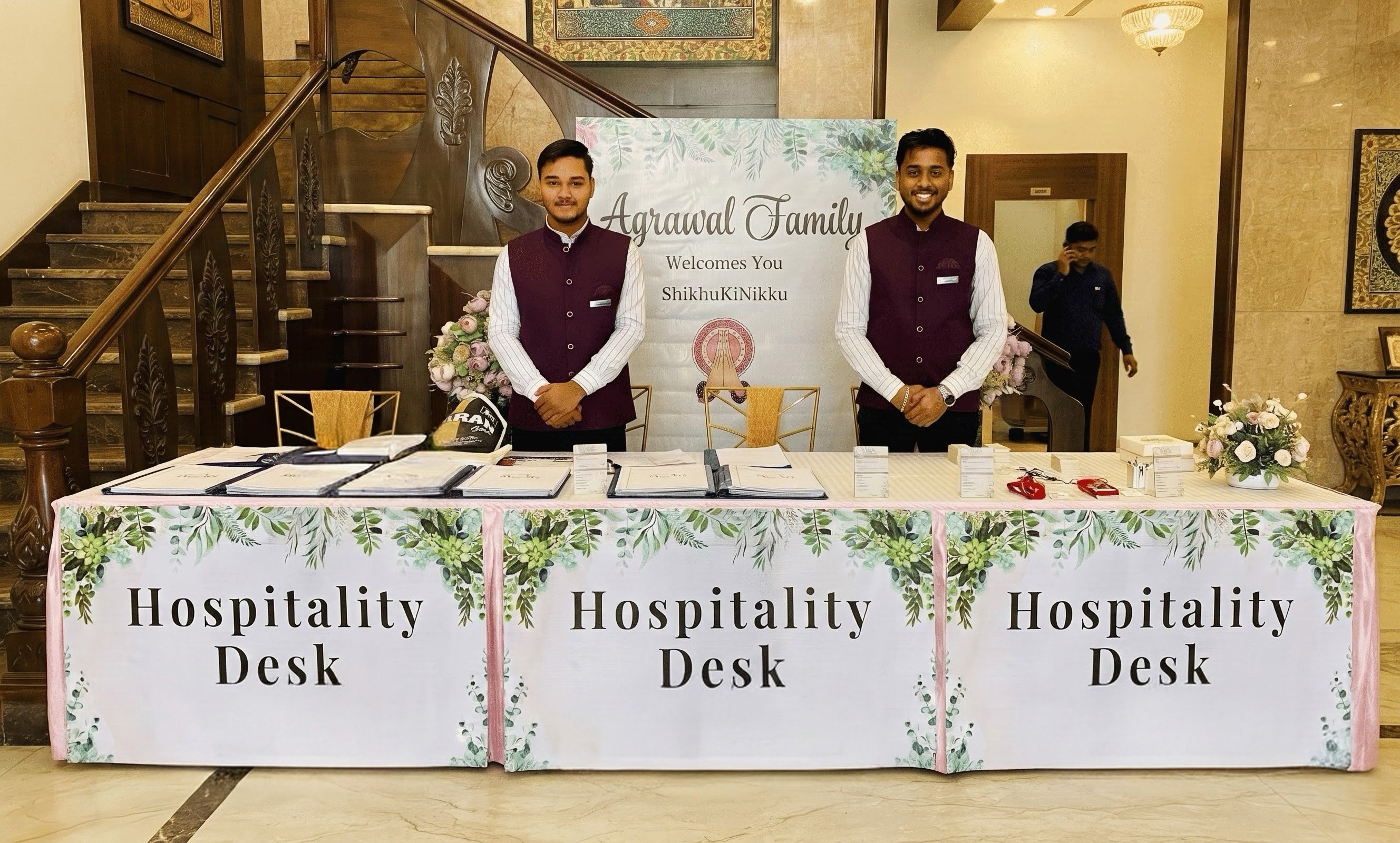
1. What Are Catering and ODC Services?
The preparation and supply of food and drinks for an event is known as event catering. It entails comprehending the event brief, estimating the needs of the guests, creating an appropriate menu, organizing the service format, setting up personnel and equipment, and overseeing the food service flow.
Outdoor Catering is referred to as ODC. It usually refers to catering set up at a venue where facilities for food preparation, storage, serving, or support may need to be set up especially for the occasion. Gardens, lawns, open spaces, exhibition grounds, office buildings, farmhouses, and temporary event spaces can all fall under this category. The venue, event size, menu, utility accessibility, and any applicable food safety regulations all influence the arrangements. Boardroom meetings, multi-day hotel conferences, product launches at exhibition venues, and outdoor celebrations all have different requirements in Delhi NCR. A well-defined brief aids in choosing the appropriate strategy.
2. Why Professional Event Catering Matters
Guests' experiences at an event are influenced by the food service. Careful preparation can promote networking, keep an event on track, and make guests feel at home. Queues, delayed service, food waste, and misunderstandings regarding dietary requirements can all result from poor coordination.
- A more seamless visitor experience with appropriate timing and clear serving arrangements.
- Coordinating catering breaks with sessions, presentations, and entertainment will improve the flow of the event.
- Menu planning that takes into account the audience, duration, format, and dietary requirements of the event.
- Coordination of the venue, including service areas, waste management, equipment, and access.
- Uniform presentation using service teams, labels, and well-organized counters.
3. Types of Catering Services for Different Events
Corporate Catering: Office meetings, training sessions, employee engagement initiatives, yearly celebrations, leadership meetings, and client-facing events may all call for corporate catering. Tea, coffee, and light snacks are all necessary, as are formal dining, buffet meals, and working lunches. The menu and service style should accommodate both the attendees' time constraints and the meeting's agenda.
Conference and Seminar Catering: Fixed session times and scheduled refreshment breaks are common at conferences and seminars. Take into account the number of delegates, registration times, venue design, length of breaks, and whether meals are served in batches or all at once. Planning may be necessary for water stations, tea and coffee, snacks, lunch, and special meal requirements.
Exhibition and Trade Show Catering: Exhibitors, visitors, speakers, production teams, and VIP guests with varying schedules can all participate in exhibitions. Catering can include meals scheduled during exhibition hours, refreshments for event teams, and hospitality for invited guests. Service points shouldn't impede venue operations or visitor mobility.
Wedding and Social Event Catering: Birthdays, anniversaries, weddings, and social events frequently place a focus on menu variety, presentation, and the dining experience. The plan may be impacted by guest profiles, schedules, venue design, local preferences, and the order of events. When available, a menu review or tasting can help set expectations.
Outdoor Event Catering: Weather, access routes, power and water availability, food-holding arrangements, temporary service areas, and waste management are all important considerations for outdoor catering. Determine the separation between guest service locations and areas used for preparation or holding.
4. Popular Catering Formats
- Buffet Service: A buffet gives visitors a variety of food options and is frequently appropriate for social gatherings, business gatherings, and conferences. Logical flow, sufficient serving space, and easy access to plates, silverware, condiments, and dishes with labels should all be included in the arrangement. When there is enough room, having multiple serving locations could help manage lines.
- Plated or Table Service: Formal dinners and organized events can benefit greatly from plated service. To ensure that courses are served at a suitable pace, coordination between the dining tables and the kitchen or service area is necessary.
- Live Food Counters: An interactive component is added by live counters. Make sure there is adequate room for equipment, safe food handling, guest circulation, and queue management. The menu ought to be appropriate for the facilities and anticipated level of service.
- Tea, Coffee and Refreshment Stations: Meetings, seminars, conferences, and networking breaks all benefit from refreshment stations. The program should be in line with their location and replenishment schedule.
- Packed Meals and Grab-and-Go Options: Travel schedules, production teams, outdoor activities, and events where attendees have little time to sit down can all benefit from packed meals. Distribution, labeling, packaging, and storage should all be planned for the circumstances of the event.
5. How to Plan Catering for a Corporate Event
- Step 1: Understand the Event Brief: The goal, date, location, anticipated attendance, audience profile, and program schedule should come first. Verify the number and timing of meals or refreshment breaks, as well as who will be served.
- Step 2: Estimate Guest Numbers and Service Volume: Make use of the most recent registration or RSVP details and decide on a procedure for informing others of any changes. Think about whether everyone will be served within the same time window and whether attendance will be staggered.
- Step 3: Select a Practical Menu: Select foods that are appropriate for the length of the event, the audience, the time of year, the location, and the style of service. Talk about dietary needs, including how special meals will be identified, as well as vegetarian and non-vegetarian preferences and allergies.
- Step 4: Choose the Right Service Format: Choose whether the event is best served by a buffet, plated service, live counters, refreshments, or packed meals. Think about areas, visitor flow, schedules, personnel, and formality.
- Step 5: Coordinate Venue and Logistics: Examine loading access, service routes, holding or preparation spaces, water and power supply, waste collection locations, and venue limitations. Take weather contingencies into account for outdoor locations.
- Step 6: Confirm the Service Schedule: Establish a timetable for setup, food preparation or arrival, service opening, replenishment, clearing, and breakdown. Work with the event production team to arrange it.
- Step 7: Review the Setup Before Guests Arrive: Examine the staff's preparedness, accessibility, cleanliness, serving utensils, labels, and presentation. Verify that special meals can be recognized and distributed correctly.
6. Food Safety and Hygiene: Essential Considerations
The catering plan should include food safety from the start. The applicable food safety laws, licensing requirements, and hygiene standards should be adhered to by the relevant food business operator and service providers. Requirements and guidelines pertinent to food businesses and catering operations are published in India by the Food Safety and Standards Authority of India (FSSAI).
- Make use of the proper methods for sourcing, receiving, storing, and handling.
- When storing, transporting, holding, and serving, maintain appropriate temperature control.
- Make sure food handlers wash their hands and maintain proper personal hygiene.
- Maintain order and cleanliness in the guest areas, serving areas, and preparation areas.
- Avoid cross-contamination by using appropriate equipment and clean utensils.
- When possible, label dishes and accurately convey any dietary or allergen information.
- Arrange for prompt service area cleaning and safe waste collection.
Refer to the official FSSAI website, relevant regulations, and catering guidelines for authoritative guidance. It is imperative for event planners to verify that the designated food service provider possesses the necessary registrations, permissions, and operating arrangements for the particular service.
7. Challenges to Consider in Outdoor Catering
Although they provide flexibility, outdoor venues may present new operational difficulties. Instead of assuming a permanent kitchen setup will be available, the catering plan should be tailored to the specific location.
- Weather and temperature: make plans for appropriate shelter and backup plans in case of heat, rain, or other unforeseen circumstances.
- Utilities: Verify that power, water, and other necessary facilities are available and used safely.
- Access: Plan routes for vehicle access, unloading, storage, and servicing.
- Holding & Timing: Make plans that are suitable for the menu, travel time, and service window when it comes to food holding and timing.
- Waste and cleanliness: determine where waste should be collected and who is responsible for maintaining the venue's cleanliness.
- Contingencies: Decide how to handle any delays, changes in attendance, or venue limitations.
8. What Influences Catering Costs?
The price of the menu per person is not the only factor influencing catering expenses. What is included, what is optional, and what might change if the brief or venue conditions change should all be made clear in a helpful quotation.
- Number of meals or service breaks, as well as the number of guests.
- Menu options, ingredient selections, and personalisation.
- Buffet, plated dining, live counters, or packaged meals are examples of service formats.
- Service time and the number of days of the event.
- Service schedules and staffing needs.
- Furniture, cutlery, crockery, equipment, and temporary infrastructure.
- The distance to the location, loading access, and transportation.
- Permissions, utilities, waste management, and venue-specific requirements.
- The quotation includes any applicable taxes and additional fees.
Examine scope and assumptions in addition to price when comparing proposals. Misunderstandings regarding staffing, equipment, setup, replenishment, and breakdown can be avoided with a clear breakdown.
9. How to Choose the Right Catering Partner in Delhi NCR
The ideal caterer should comprehend the format of the event and describe how the suggested service will operate at the selected location. Before making a choice, consider the following:
- Experience relevant to the nature and scope of the event.
- The capacity to comprehend the brief and suggest an appropriate service format.
- A procedure for dietary requests and a clear menu.
- A realistic approach to food handling, hygiene, and relevant compliance.
- Clear details regarding personnel, equipment, logistics, and venue management.
- Clear terms for change management, inclusions, exclusions, and pricing.
- A designated point of contact and a planned coordination procedure for the day of the event.
- References, credentials, or independently verifiable examples.
Find out how the supplier plans to run the service at your location. Verify what facilities are required on site, how food will be transported or held, and what backup plans are in place for outdoor events.
10. Why Catering Should Be Integrated with Event Management
One component of a bigger event operation is catering. Coordination with venue management, production, guest registration, program scheduling, branding, housekeeping, and security is frequently necessary for its success. It is simpler to manage guest movement, service windows, and responsibilities when these workstreams are coordinated.
A conference lunch must coincide with room movement and session timings. Refreshments may be needed during a product launch without interfering with the presentation. Coordinating catering logistics with décor, entertainment, power, and guest arrival may be necessary for an outdoor celebration. Bring these prerequisites together as soon as possible.
11. How Primar Partners Approaches Event and Catering Planning
Primar Partners is a BTL, MICE, and event management company with more than 16 years of experience in New Delhi. Corporate events, conferences, exhibitions, brand activations, and other planned experiences are all handled by the company. When the scope, venue, and operational requirements necessitate coordinated planning, catering and ODC requirements may be included in the broader event brief.
The goal of the event, the guest profile, the venue, the schedule, the anticipated number of attendees, and the preferred service style can all be discussed when organising a catered event. These specifics aid in defining needs for things like menu planning, buffet or refreshment arrangements, service areas, equipment, hygienic considerations, and event program coordination. The agreed-upon brief, venue conditions, and operational viability are taken into consideration when confirming specific deliverables.
Visit www.primarpartners.in or get in touch with the team at info@primarpartners.in or +91-9811731411 to discuss an event requirement.
Conclusion: Make Catering Part of the Event Plan
It takes more than just choosing dishes to make a successful catering arrangement. A seamless experience is influenced by a number of factors, including the number of guests, menu suitability, service format, hygiene, venue logistics, and program timings. Whether you are planning an outdoor gathering, corporate meeting, conference, exhibition, wedding, or other event, organising these details ahead of time can improve both the operation and the guest experience.
Get in touch with Primar Partners to share your brief and learn about the scope that might work for your event if you're looking into catering services in Delhi NCR or need to talk about an event that involves outdoor catering.
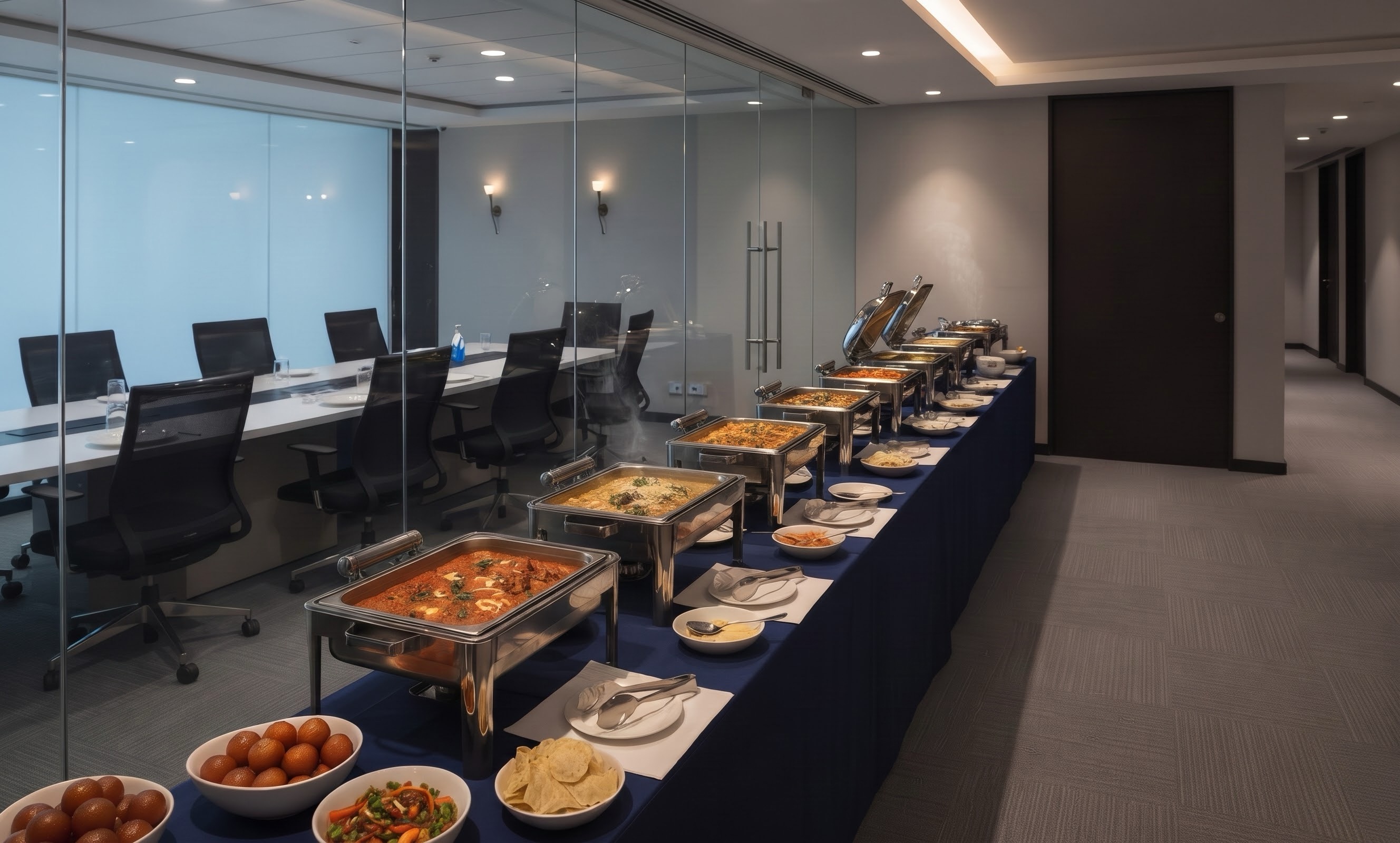
Looking to Plan an Event with Professional Catering & ODC Services?
Whether you are organizing a corporate conference, exhibition, outdoor celebration, or social gathering, Primar Partners delivers end-to-end event production and integrated catering management to ensure an unforgettable experience.
Frequently Asked Questions
Q.
What are ODC (Outdoor Catering) services?
Outdoor Catering (ODC) refers to catering set up at venues where food preparation, storage, serving, or support facilities may need to be specially established for the occasion, such as gardens, lawns, open spaces, and exhibition grounds.
Q.
Why is professional catering important for corporate events?
Professional event catering ensures proper timing, seamless visitor experience, appropriate menu planning suited to dietary needs, and smooth coordination with overall event schedules.